

Labor shortages at root of shipping, trucking mandates further issues
On Jan. 6, 2022, there were a record 105 shipping vessels anchored or loitering off the coast of Southern California waiting for openings to dock at the ports of Long Beach and Los Angeles. On Jan. 6, 2021, there were 32. Through the first eight months of 2021, having 32 vessels waiting was on the …
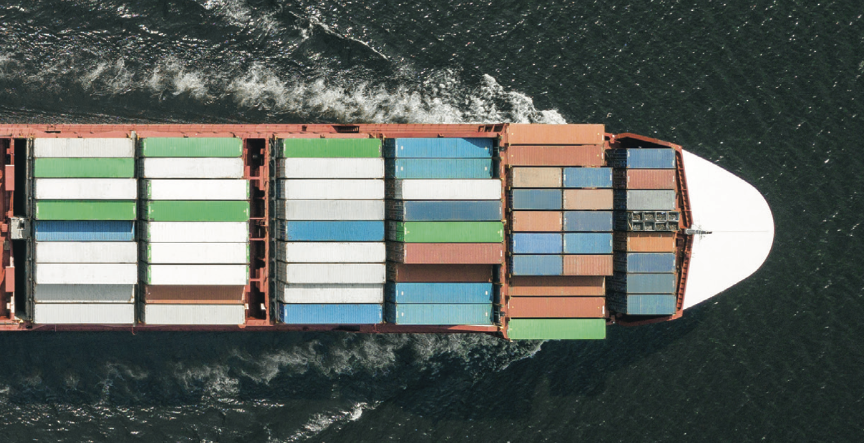
On Jan. 6, 2022, there were a record 105 shipping vessels anchored or loitering off the coast of Southern California waiting for openings to dock at the ports of Long Beach and Los Angeles.
On Jan. 6, 2021, there were 32.
Through the first eight months of 2021, having 32 vessels waiting was on the high side for the Southern California ports. Normally, it was in the teens or 20’s.
About the end of August is when numbers soared and breaking records became a common occurrence.
Los Angeles and Long Beach do more volume than any other seaports in the U.S. They are followed by New York-New Jersey and Savannah, Georgia, but the situation isn’t much better at either of those ports, nor are they at Seattle or Charleston, South Carolina.
It’s not just a struggle to get goods in and out of U.S. seaports, it’s a struggle to do so anywhere in the world, including through the major Chinese ports, Hong Kong and Rotterdam, Netherlands – Europe’s largest port.
Moving goods domestically throughout the U.S. also has become problematic. During the recent Potato Expo in Anaheim, California, Tracey Chow, a government affairs specialist for Western Growers, said members began complaining of shipping problems in late 2020, starting with nut growers. Things have only snowballed from there.
“Now that we’re a year into it, essentially every commodity has been affected,” Chow said. “Before it was just tree nuts, then it was citrus, then it was stone fruits (and other specialty crops). Now all the non-specialty crop commodities have been affected (i.e., soybeans, corn, etc.).
“They’re all getting hammered and probably even worse than California because they’re dealing with rail and trucking to get to the ports.”
Delays are frustrating and costly for everyone. When you’re moving a perishable product, such as fresh produce, delays result in loss of commodity and food waste.
“(Port delays have) led to fruit spoilage,” said Stewart Lapage, an Alberta, Canada-based logistics executive with The Oppenheimer Group. “Tens of thousands (containers) have spoiled before they have even touched the ground.”

 Canadian officials recently implemented a full-vaccination mandate for U.S. truck drivers entering the country. The U.S. has a similar mandate for Canadian truckers. The Canadian Trucking Association estimates the mandates will affect about 12,000 U.S. and Canadian drivers. The current fully vaccinated rate was 78% in Canada and 63% in the U.S. at the time of this writing.
Lapage noted that unvaccinated drivers choosing to get the vaccine still have to wait two weeks until after their second dose to resume international driving.
“This is potentially catastrophic for Canada,” Lapage said. “We rely so heavily on U.S. (produce) imports. … Even drivers getting the vaccine now, you’re still looking at six weeks before they can resume cross-border freight.”
Freight option shortages and economic inflation have freight prices shooting up. Ed Treacy, the IFPA’s vice president of supply chain and sustainability, relayed an account from an apple shipper who recently paid $15,000 to move a load of apples from Washington state to Boston.
“That’s unheard of!” Treacy said.
Canadian officials recently implemented a full-vaccination mandate for U.S. truck drivers entering the country. The U.S. has a similar mandate for Canadian truckers. The Canadian Trucking Association estimates the mandates will affect about 12,000 U.S. and Canadian drivers. The current fully vaccinated rate was 78% in Canada and 63% in the U.S. at the time of this writing.
Lapage noted that unvaccinated drivers choosing to get the vaccine still have to wait two weeks until after their second dose to resume international driving.
“This is potentially catastrophic for Canada,” Lapage said. “We rely so heavily on U.S. (produce) imports. … Even drivers getting the vaccine now, you’re still looking at six weeks before they can resume cross-border freight.”
Freight option shortages and economic inflation have freight prices shooting up. Ed Treacy, the IFPA’s vice president of supply chain and sustainability, relayed an account from an apple shipper who recently paid $15,000 to move a load of apples from Washington state to Boston.
“That’s unheard of!” Treacy said.

From left, William Duggan, Jeff Moore, Stewart Lapage and Ed Treacy were panelists for an International Fresh Produce Association virtual town hall on supply chain issues.
Labor shortage big obstacle
Lapage was among the panelists during a recent International Fresh Produce Association (IFPA) virtual town hall on supply chain issues. Experts say the labor shortage is the first domino in what is a multifaceted array of problems in the current supply chain system. The pandemic has exasperated the situation, leaving many people unable, unauthorized or unwilling to work. “There is a labor shortage across the board,” said William Duggan, the North American cold chain advisor for Eskesen Advisory. “That’s for rail, trucking, warehouses (and) all the way to the terminal – we just don’t have enough workers.” Agriculture labor challenges are nothing new to growers, but the shortage of workers now extends to most industries in the supply chain, including cold chain facilities and packaging materials, much of which are imported from Asia. “It all comes back to labor,” Lapage said. There are about 5,000 shipping vessels worldwide. When hundreds are idle offshore and full of cargo, those ships and containers on them aren’t available to transport anything else. “There are shippers in Brazil wondering when they’ll be able to ship a crop because they can’t find any containers,” Lapage said. In North America, moving product by truck has been hampered by the well-documented driver shortage. Like in other industries, the pandemic has worsened worker availability.
Canadian officials recently implemented a full-vaccination mandate for U.S. truck drivers entering the country. The U.S. has a similar mandate for Canadian truckers. The Canadian Trucking Association estimates the mandates will affect about 12,000 U.S. and Canadian drivers. The current fully vaccinated rate was 78% in Canada and 63% in the U.S. at the time of this writing.
Lapage noted that unvaccinated drivers choosing to get the vaccine still have to wait two weeks until after their second dose to resume international driving.
“This is potentially catastrophic for Canada,” Lapage said. “We rely so heavily on U.S. (produce) imports. … Even drivers getting the vaccine now, you’re still looking at six weeks before they can resume cross-border freight.”
Freight option shortages and economic inflation have freight prices shooting up. Ed Treacy, the IFPA’s vice president of supply chain and sustainability, relayed an account from an apple shipper who recently paid $15,000 to move a load of apples from Washington state to Boston.
“That’s unheard of!” Treacy said.