

Latest innovations must balance safety, sustainability and efficiency
Learn about the insights in the Food Safety and Sanitation Trends report from PMMI, The Association for Packaging and Processing Technologies
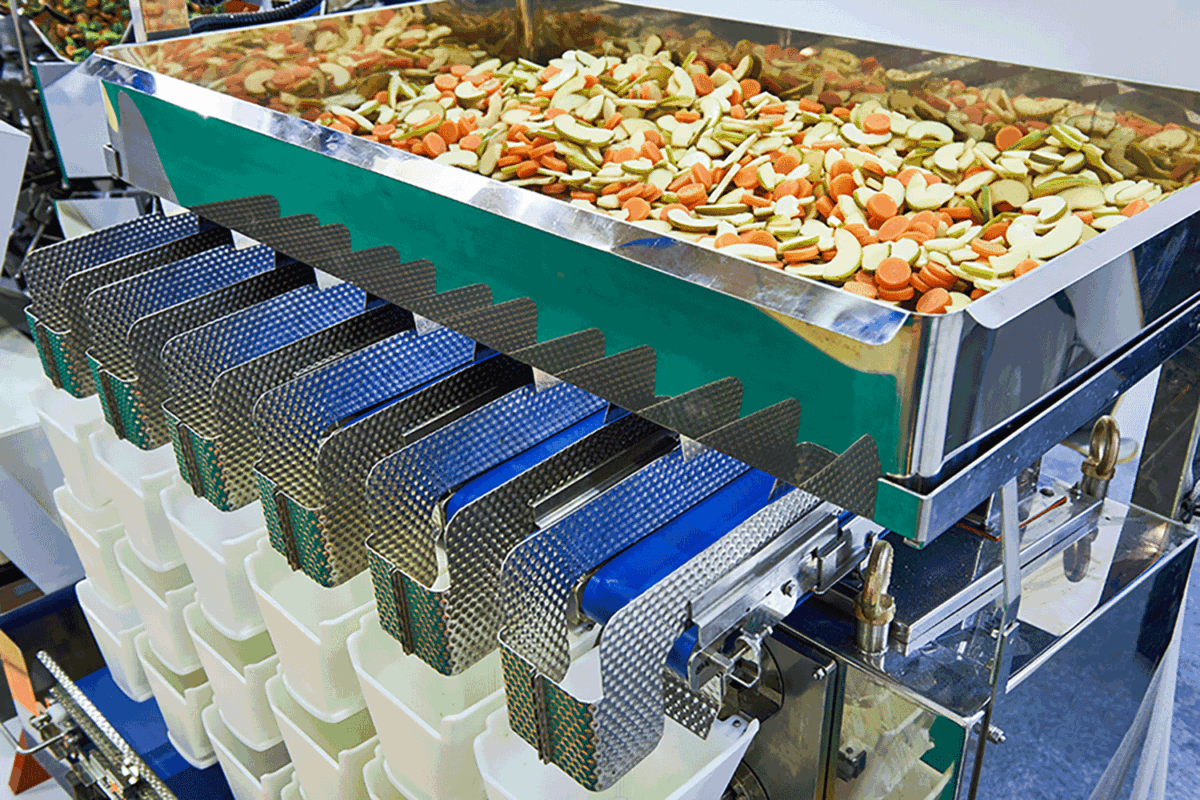
The fresh produce industry is at a turning point: packaging is no longer just a vessel but a critical tool for ensuring food safety, extending shelf life, improving operational efficiency and meeting evolving consumer expectations.
According to the Food Safety and Sanitation Trends report from PMMI, The Association for Packaging and Processing Technologies, packaging innovations are increasingly shaped by the convergence of regulatory requirements, operational challenges and market demand.
For produce processors, the message is clear: packaging must simultaneously deliver safety, functionality, sustainability and brand trust.
SANITATION AS THE FOUNDATION
In produce processing, sanitation is inseparable from packaging design. The report highlights that food safety principles guide everything from washing and sorting operations to packaging line machinery. With recalls remaining a consistent concern, often due to listeria, salmonella or contamination, packaging must protect fresh produce while minimizing risks.
Processors are seeking sanitary machine designs that reduce harborage points, use food-grade materials and allow for fast, thorough cleaning.
Nearly all end users (95%) report that ease of cleaning is a top priority when evaluating new equipment. This drives original equipment manufacturers (OEMs) to integrate features such as clean-in-place (CIP) systems, corrosion-resistant components and non-porous surfaces — all of which are critical in produce environments where moisture and perishability create unique challenges.
SMART PACKAGING AND COMPLIANCE
Regulatory oversight for produce continues to expand. From the Food Safety Modernization Act (FSMA) in the U.S. to Canadian Safe Food regulations, compliance is non-negotiable.
Packaging solutions now often serve as a tool for traceability, featuring automated temperature monitoring, digital lot tracking and fail-safe alarms to ensure produce integrity.
Digital integration is also increasingly vital — RFID-enabled tracking, predictive cleaning schedules and human-machine interfaces can improve sanitation and operational efficiency.
Yet, the PMMI report notes that 37% of end users have yet to leverage these digital tools. This presents an opportunity for packaging suppliers to deliver smarter, compliance-ready solutions.
ADDRESSING LABOR CHALLENGES
Labor shortages remain a significant issue for fresh produce operations, affecting sanitation and packaging consistency. To mitigate these challenges, automation has become a cornerstone of packaging innovation.
From robotic case packing and sorting to automated washing and self-cleaning machinery, processors are seeking technologies that reduce reliance on manual labor without compromising food safety. CIP-capable systems and automated conveyors are increasingly critical in produce-packaging lines.
MEETING EXPECTATIONS
Consumers are demanding packaging that maintains freshness, minimizes contamination risk and aligns with sustainability goals.
For produce brands, this translates into innovations such as recyclable or compostable packaging that withstands rigorous cleaning while delivering clear labeling and transparency to reassure shoppers.
Investment in food-safety and sanitation-ready equipment is strong. More than 93% of end users anticipate maintaining or increasing their spending on compliant machinery, and 68% plan to purchase new equipment in the next three years.
Suppliers that combine innovative machinery with consultative support — such as helping develop sanitation SOPs or integrating digital monitoring — can strengthen partnerships and add measurable value for processors.
KEY TAKEAWAYS FOR PRODUCE PROCESSORS
- Sanitation-first design: Equipment must be easy to clean, durable and resistant to harsh wash chemicals.
- Digital integration: Smart tracking and automation improve compliance and operational efficiency
- Automation as a solution: Robotics and self-cleaning machinery help offset workforce shortages.
- Consultative partnerships: Suppliers offering guidance on SOPs, compliance and technology integration differentiate themselves.
- Balancing safety and sustainability: Packaging must preserve produce freshness while meeting eco-conscious consumer expectations.